
WelcomeUser Guide
ToSPrivacyCanary
DonateBugsLicense

©2025 Poal.co

(post is archived)

[–] [deleted] 4 pts

Been making tallow, lard, and then tallow and lard candles and soap for about 8 years. Have to use wax too in the candles but mostly animal fats.

Sadly bacon candles don't smell like it. That was the original idea.

Never used it on my skin but admit to using it as chapstick a few times when I didn't have chapstick.

Most people throw it away. The stuff is gold!

[–] 1 pt

Most people throw it away. The stuff is gold!

They just don't know it. A properly made tallow can be stored on a shelf for months, and years in a fridge.

Duck and goose tallow is also liquid gold for cooking with pasta and potatoes.
[–] 3 pts (edited )

Ok, this is firmly in my wheelhouse. Been rendering beef into tallow and piggies into lard for a while. I've picked up a few trial and error lessons learned time saving tips over the years.

First, try try try to source your fats locally. Find a neighborhood rancher or hit the farmer's market. I've used grocery store fat and found it to be of inferior quality.

Second, game animals (excluding bear but including wild piggies) typically do not have enough fat to make it worth the effort, so stick to locally sourced, ethically pastured beeves and sows.

Here follows a comparatively quick and easy recipe to render animal fats into lards or tallows, respectively:

Necessary tools: -A good sharp knife or two -Cutting board -Meat Grinder -Instapot -Pyrex Measuring cup (4 cup) -Fine mesh wire strainer -Wide mouth 1/2 pint ball jars

Procedure: -Take your slightly frozen fat and cut it into meat grinder serviceable sized chunks. Trim as much of the meat away as possible. *Note: Fat will quickly dull a blade, so have a couple on hand or sharpen frequently as you go. **Note note: fat makes everything it comes in contact with slippery. Exercise an overabundance of caution while cutting.

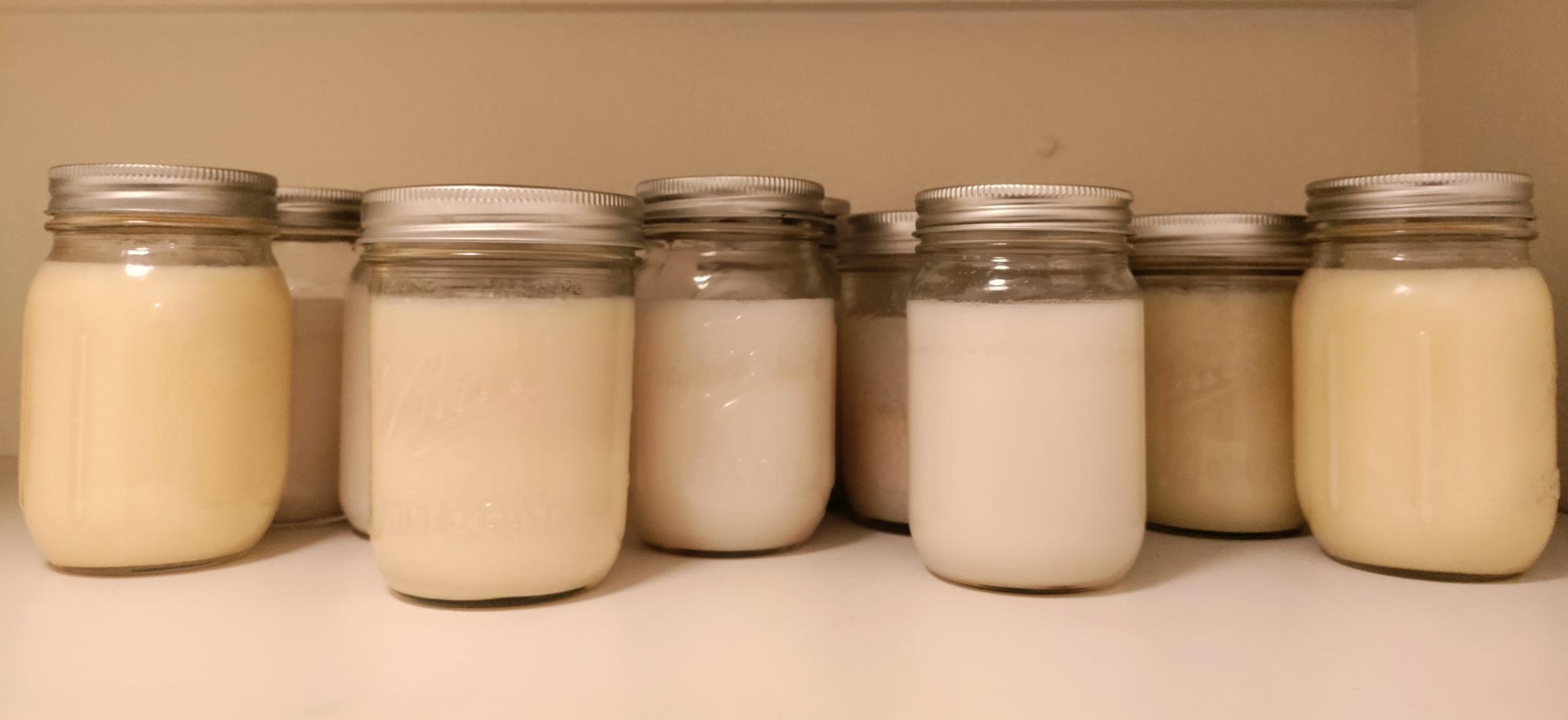
-Feed the Fat into the meat grinder -Put the ground fat into the Instapot (no lid) and use the saute setting, stirring occasionally to keep the fat from sticking to the bottom. -In manageable batches CAREFULLY strain the liquid fat through a wire mesh strainer into a 4 Cup Pyrex Measuring cup -Pour the liquid fat into Ball Jars, cover with a cloth to cool. -Once cooled, lid them and store them. - If you so desire, you can salt and continue to fry the remaining fat in a good cast iron skillet for some legit cracklins.

This meat grinder/instapot method slashes the rendering time and increases yield.

To truly up the ante, get a hold of leaf fat (internal fat surrounding the cows kidneys). I combine this liquid gold with coconut oil and essential oils to make a body butter that has the ladies in my life lined up and asking for more.

My wife uses our pastured piggie lard for her soaps.

Tallow and lard posses different benefits, but both are ancestral and will help keep you optimally oiled, inside and out.

Results: !

[–] 1 pt

How cost effective is it buying the beef fat and doing the process?

I've never done tallow, but done plenty of other DIY projects. I know sometimes it can be great and either save some real cash or get a much higher quality product. Other times it is more of a novelty the amount of effort you put in just isn't really worth it to do regularly. Just curious as to your thoughts where tallow stands on the time-money-quality scales.

[–] 1 pt

Yes, 100% worth the effort. We cook almost exclusively with animal fats and use them for our soaps and body butters/sunscreens/lip balms. Store bought or even Farmer's Market tallow is ridiculously expensive. DIY nose to tail/rooter to the tooter is the way to go if you're comfortable processing and butchering animals.

The nutritional profile for beef tallow is phenomenal. And, by virtue of using pastured domestic pigs, the lard is laden with Vitamin D. I have a rancher who raises a variety of gorgeous breeds that I use for the beef fat. I have another farmer for the pasture raised piggies. Wild pigs comparatively are way too lean to bother with, fat wise.

I honestly cannot tell you how much they charge me per pound. I buy 10-20 lbs at a time and deep freeze it. Will pull out batches to render when the larder is running low and place another order when the freezer stocks dwindle. The beef fat is obviously more expensive than the pork fat and the beef leaf fat is more expensive than the regular beef fat. I usually buy 2 or 3 times a year. I use the non leaf beef fat for our cooking tallow and deer sausage. Leaf fat for the body products. Piggie fat for soap and lard.

[–] 1 pt

You'll be a boiled up cabbage head.

Made me chuckle!