WelcomeUser Guide
ToSPrivacyCanary
DonateBugsLicense

©2025 Poal.co

1.2K

.

  • .
  • .
  • .
  • .
  • .

Now that I think of it the National Oceanic and Atmospheric Administration had been under fire for a long time re the amount of taxpayer's money it gobbled up .. looking thru it all it seems they were having a picnic on the Governments buck .. correct me if you think I'm wrong.

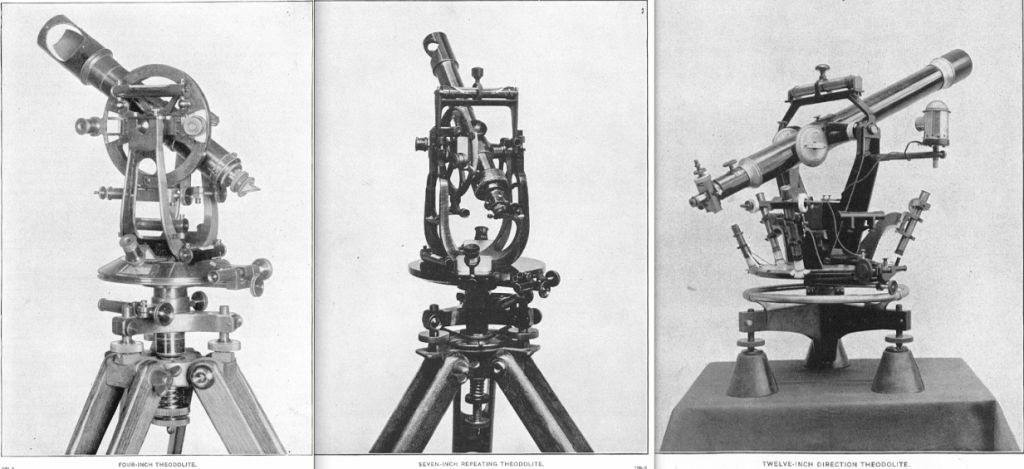
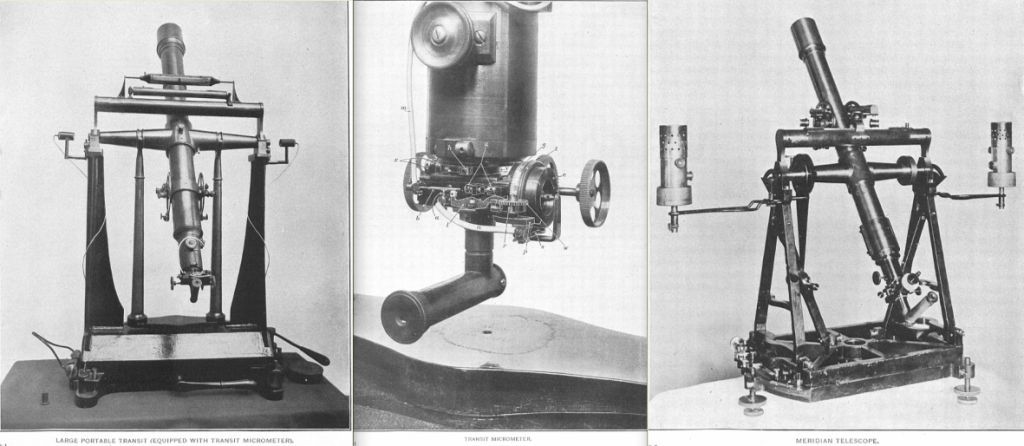
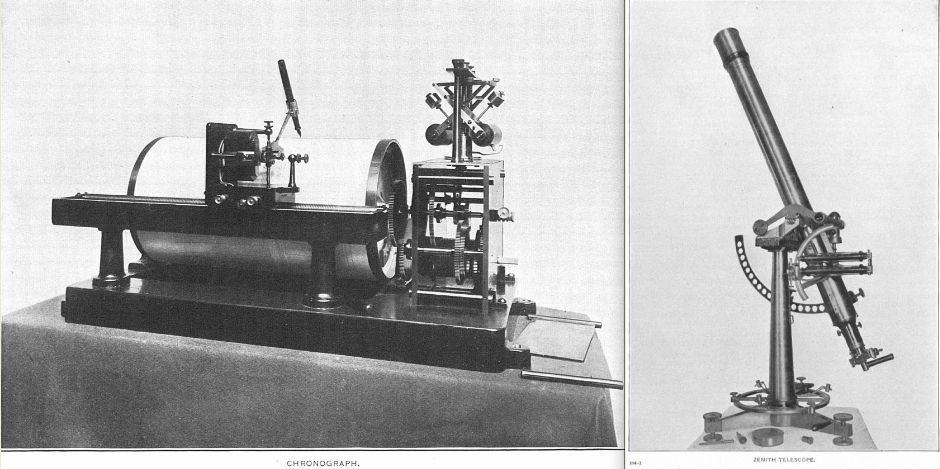
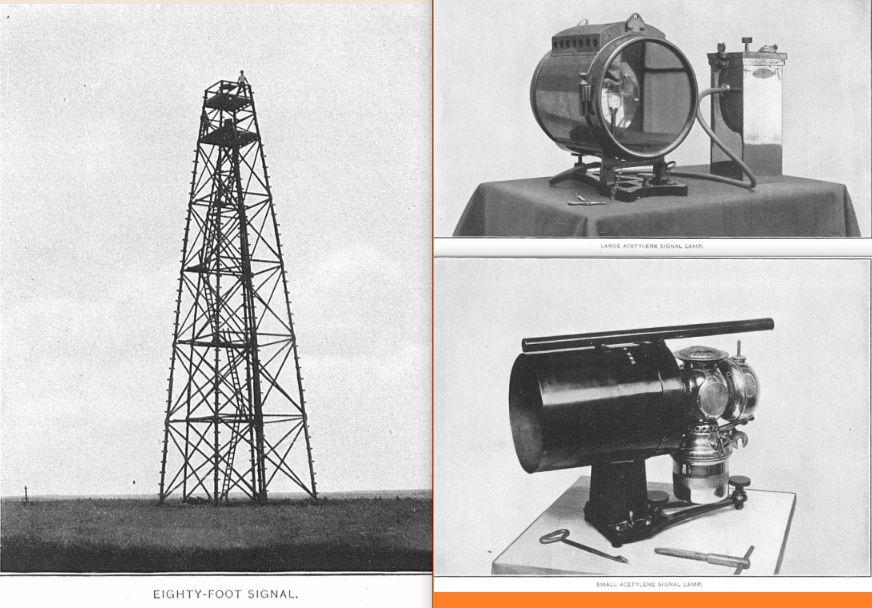
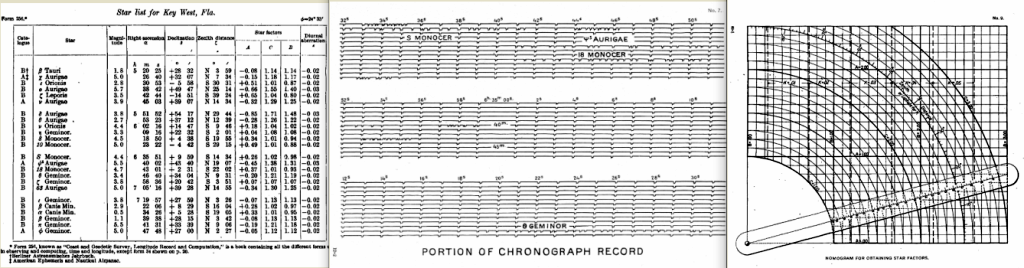
[NOAA Link](ftp://ftp.library.noaa.gov/docs.lib/htdocs/rescue/cgs_specpubs/QB275U35no145thed1941.pdf). * [Theodolites](https://i.postimg.cc/1XLyWR5T/Theodolites.jpg). * [Transit Micrometer Telescopes](https://i.postimg.cc/52XwYnZ2/Transit-Micrometer-Telescopes.jpg). * [Chronograph & Zenith Telescope](https://i.postimg.cc/4Nkdbw73/Chronograph-2.jpg). * [Signal Lamps and 80 Foot Tower](https://i.postimg.cc/NfBtjn2R/Signal-Lamps-Tower.jpg). * [The Finished Article](https://i.postimg.cc/c4gR6Dq4/Science.png). Now that I think of it the National Oceanic and Atmospheric Administration had been under fire for a long time re the amount of taxpayer's money it gobbled up .. looking thru it all it seems they were having a picnic on the Governments buck .. correct me if you think I'm wrong.

(post is archived)

[–] 2 pts

It's because the quartz watch hadn't been invented yet. Determining your position at sea was dependent on expensive nautical chronometers which were a bit finnicky and could break down. So people were still looking for new approaches to fix your position.

Nowadays it's irrelevant: Just use GPS or a related network. If that goes down everyone has a watch and sextants are low tech.

[–] 1 pt (edited )

Sure but there are other options .. say we timed the transit of a star across the prime meridian at 10.00 pm, since the sidereal day is 23 hours, 56 minutes 4.0916 seconds the same star will be back on the meridian at 9:53:55.084 the following night .. suppose we were at sea and heading along the same degree of latitude.

When we took our corrected 10:00 pm shot we will know by the degree on the meridian how far east or west we have traveled .. this method does not need GMT or for that matter any fancy gear .. you do need a comprehensive knowledge of which star is which is about all.

[–] 2 pts

Isn't that how sextants work?

And yes, that method does work, it used to be the standard way of fixing longtitude before GPS. It still depends on having an accurate timepiece though, which up until the invention of quartz watches was difficult and expensive.

[–] 0 pt

That works only for static locations. For a ship travelling across longitude the zenith-to-zenith period would not be a sidereal day, but longer when traveling West and shorter when traveling East. One would need to know precise longitudinal speed or have a precise time reference to determine the difference.

[–] 0 pt (edited )
  • The center "telescope" looks exactly like a periscope used in the U.S. Submarines which would be deployed just a few years later in WW II.

  • How much of this equipment was used to determine the specifics needed for the Mercury, and Apollo programs?

[–] 0 pt

My understanding is WW2 submarine periscopes used a modified optical system copied from a called a "," that has a lens halfway down the tube that can magnify a very narrow field exponentially, they are still around and are the preferred method of perving on yr neighbors in hi rise tower apartment blocks.

[–] 0 pt

and are the preferred method of perving on yr neighbors in hi rise tower apartment blocks.

Lmao.