
This actually brings up a good question: why do we use such outdated models for our commercial planes? I’ve seen TONS of concept sketches for how much the old design could be improved upon, and yet we’re still using shit from over 30 years ago.
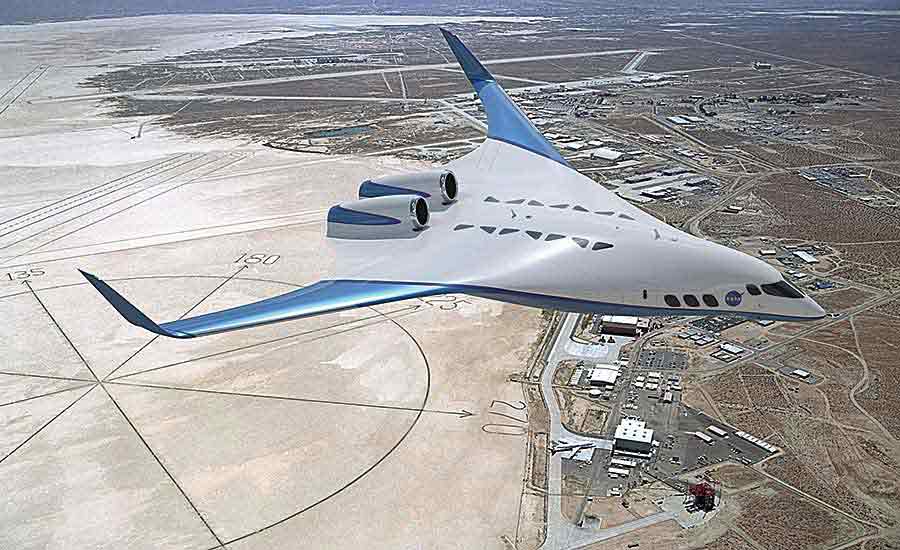
Edit: example pic https://www.assemblymag.com/ext/resources/Issues/2019/April/aero/asb0419aero5.jpg
That shit from 50 years ago happens to work really, really well, be very thoroughly proven, be scalable, and be adaptable to virtually every roll associated with moving stuff by air.
Your question is like asking why, after over a century of development, do cars have four wheels? Or why does Chevy still use a naturally aspirated V8 engine? The answer to both is that the basic design is inherently very sound and, while many improvements have been made, the fundamentals are still valid today and, in many ways, are superior to alternatives and newer concepts.
Your concept plane is pretty but it doesn't have many windows and can't be scaled up to have many windows. It can't be lengthened significantly to give it more passenger space. The engines are high up on top of the plane which makes them harder to access for maintenance. An overhead hoist would be required for removal, resetting, or just performing a basic check-out.
The standard configuration of slinging the engines under the wing allows maintenance to be performed from a ladder or standing in a truck or other maintenance vehicle. Engine removal is achievable with a special mobile cradle supported from the ground. This is much more flexible than using a crane.
(post is archived)