WelcomeUser Guide
ToSPrivacyCanary
DonateBugsLicense

©2026 Poal.co

Found what I thought was a good deal on jewBay.

Unit arrived defective and it was an old version, unlike the advertised current one. Goes back tomorrow, so far the return process has been painless but I am disappoint. Was going to use it tomorrow.

Found what I thought was a good deal on jewBay. Unit arrived defective and it was an old version, unlike the advertised current one. Goes back tomorrow, so far the return process has been painless but I am disappoint. Was going to use it tomorrow.

(post is archived)

[–] 2 pts

It probably has a cap with a bad ESR. Just measure the ESR of the caps...oh, wait.

[–] 2 pts

My younger self would have had a hard time to withstand the temptation to open it up, just to take a peek. Could be something obvious, you know. An hour later, I'd have been like, "I can't return this. Not in this state..."

These days: "Ain't nobody got time for that." Returning an item has also become an easier "depersonalized" process.

BTW: From the looks of it, the unit I received was a returned item. There was a suspicious part of the box label missing, like right where someone would put an NFG sticker.

[–] 1 pt

Some dude on jewtube posted a full comparison from cheap to expensive ones, and opens them to show how they are made.

[–] 0 pt

I'd love some pointers to that video.

[–] 2 pts

Unless you're doing things that require certain parts with certain ESR...for example RF circuits...knowing ESR isn't terribly useful. I generally work with older parts, and those are simply ready to be replaced due to age.

I've found that the best bang for your buck is an M-Tester. They're usually accurate enough for normal work, and most do ESR if the part is noteworthy enough to need it shown.

[–] 2 pts

Yeah, the M-Tester rocks. Did you ever look into its history? It's kind of interesting.

The Peak ESR70 is way, way overpriced but from what I've seen, it has similar in-circuit capabilities as the Capacitor-Wizard. That last 'Spare Time Repair' Bose Wave video really brought me over the edge.

Lazy me wants the chance to zero in on a suspicious cap on a board before desoldering it. Story of my life. Always looking for the easy way out. :)

[–] 2 pts

No, I've never looked into where those came from...always assumed it was someone's "Well crap I can do this better" or a senior project somewhere.

Nothing wrong with not wanting to unsolder every part on the board...

[–] 2 pts

It was created by a German guy active on the mikrocontroller.net forum. First iteration was called the AVR transistor tester (German): https://www.mikrocontroller.net/articles/AVR-Transistortester It was then expanded and extended: https://www.mikrocontroller.net/articles/AVR_Transistortester (Notice URL difference dash vs understroke)

Here's a summary in English https://arnowelzel.de/en/m-tester

[–] 1 pt

Bought a cheap Chink one for 10th of the price and it does the job. Even if it’s a little off, it’s good enough to spot niggercaps.

[–] 1 pt

Niggercaps :D

Don't hold out on me. Model # or link, if you please.

[–] 1 pt

I can do that later.

[–] 1 pt

Cool!

[–] 1 pt

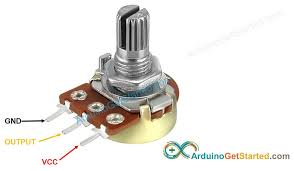
On the board itself wouldn't there be a potentiometer to adjust LCD contrast?

embed

[–] 2 pts

There is a tiny hole in the housing. Who knows where it may lead. I'm tempted, but it's a new device, it just needs to work. See below :)

https://poal.co/s/Repair/797284/11943672-3f86-4e58-904c-d3dede2acc87#cmnts